I grew up in Singapore and have since worked and studied in Thailand, Vietnam, Korea and Japan. Somewhere along the way I got hooked on building things that cross borders.
Today I work in venture capital in Tokyo and run a few small businesses on the side. Every move has taught me something new about people, markets and how to actually get things done.
I've always gone looking for places that make me a little uncomfortable. That meant internships abroad, starting businesses while still in school, and saying yes to things before I felt ready. Most of what I know, I learned by doing it and getting some of it wrong first.
This site puts all of that in one place: the businesses I've started, the work I'm proud of, and what I picked up along the way.
“When I joined NTU, I did it with the intention of becoming a ‘global student’. … And this is where my story truly begins.”
NTU wrote about how a string of internships in Bangkok, Ho Chi Minh City and Tokyo turned into a full-time job in venture capital in Japan.
Read the storyI'll be featured in the 2026 edition of BrightMinds Magazine. Watch this space.
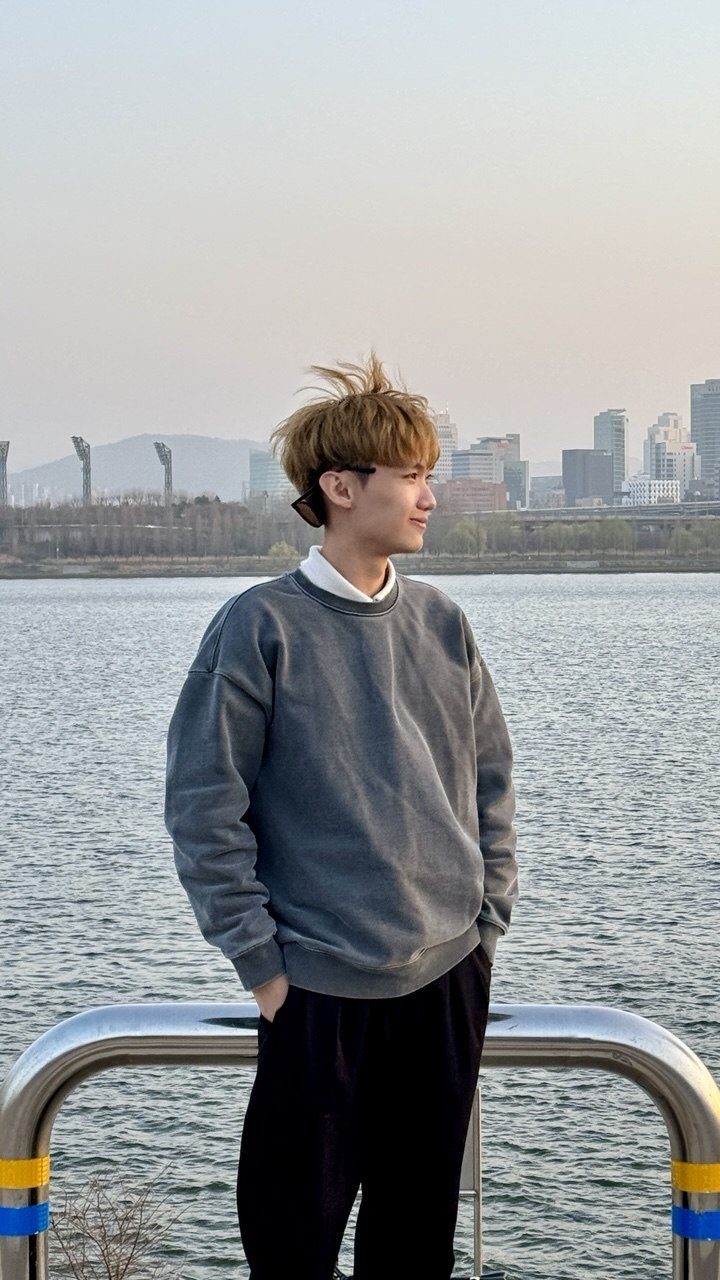
I'm from Singapore and now live in Tokyo. Over the past few years I've lived, worked or studied in Thailand, Vietnam, Korea and Japan.
Every place ran on its own rules, and I had to figure them out fast. That's where most of my real learning happened.
From Danjjak in 2022 to what I'm building now. Swipe through them in order.
I've worked, studied and travelled across Asia and Europe. Each place changed me a little.
Tap a highlighted country, or take the tour.
If you're building something, thinking about Asia, or just want to swap ideas, I'd love to hear from you.
Born and raised in Singapore, now working in venture capital in Tokyo, and curious about everything in between.
I'm Francis. I grew up in Singapore, and these days I live and work in Tokyo.
University took me further than I expected. I interned in Bangkok, worked in Ho Chi Minh City, did an exchange semester in Seoul and spent eight months working in Tokyo. Each move meant new rules, a new language and figuring things out on the fly.
I studied business and economics at NTU and loved the frameworks. But I noticed pretty quickly that a model on paper rarely survives first contact with real customers, real budgets and real deadlines.
So I spent as much time outside the classroom as in it. Internships overseas, volunteering, travel, and starting businesses of my own. That's where I learned that doing beats planning, and that context changes everything.
Along the way I've worked on ventures in e-commerce, education, Japanese craft and venture capital. Each one taught me something different about how markets work and why things break.
What keeps me going is the building itself. I like taking a rough idea and slowly turning it into something real.
I didn't read these in a book. I learned them from things that worked, things that didn't, and the people I met along the way.
My path hasn't been a straight line. I kept choosing places I didn't know, because that's where I learn the most.
Here's the order it happened in, and what each place gave me.
Honestly, it comes down to two things: I like solving problems, and I like people. The best ideas I've had usually came out of a conversation with someone very different from me.
The businesses I've started and the teams I work with, in the order they happened.
I like ideas that have to prove themselves. In most of the ventures I've been part of, my job has been to take a plan and make it happen, whether that meant growth, operations or finding the right partners.
Each one taught me something I couldn't have learned from a book. Here they are in the order I started them.
I co-founded Danjjak in July 2022. We sell everyday essentials, skincare and over-the-counter products online. As a co-founder I run the day-to-day: stock, logistics, customer service and keeping orders moving.
Danjjak is where business stopped being theory for me. A late delivery or a bad review teaches you more than any lecture.

UMI is a Tokyo venture capital firm that invests in deep tech, especially chemistry and materials science. These are hard technologies to commercialise. They need patient money, specialist knowledge and good industry connections, and UMI helps researchers and companies turn them into real businesses.
Sitting close to new technology showed me how long the road from lab to market really is. A great invention still needs a business around it.

Hanabuddies matches students with Japanese tutors. We've since grown into translation, transcription and cross-border support too. As a co-founder I look after growth, partnerships and where the business goes next.
Most of our best changes came from listening to students. When you understand what people need, growth tends to follow.

ESOSG connects defence and security clients with the right partners and suppliers. It's a regulated, careful industry, and working in it taught me to be precise and accountable.
In sensitive industries, trust is everything. You earn it slowly, by doing exactly what you said you would.

The Frand Collection brings rare, handmade work by Japanese artisans to businesses around the world. Think leather bonsai sculptures and one-of-a-kind design pieces. We pick every item for its story and craft, as an alternative to mass-produced decor.
We also work on corporate gifts, interiors, hotel projects and private commissions, and we help artisans reach customers outside Japan so their craft keeps going.
The pieces people love most always come with a story. Matching the right artisan with the right buyer is a craft of its own.

I'm working on something new in the pet space, for pets and the people who look after them. It's still under wraps, so I can't say much yet.
If you've ever wished caring for your pet were a little easier, this one is for you.
The lessons that stuck with me came from building things myself.
Running a business is harder than it looks. Ideas change the moment they meet real customers, tight budgets and not enough time. In the end, what counts is getting the thing to work.
Got an idea, a project or a question? I'm always up for a chat.
Let's TalkResearch and writing from my time at NTU that I still enjoy rereading.
Grades aside, my university work shows how I think. I'm usually most interested in why something behaves the way it does, and what incentives sit underneath it.
Here are a few projects from NTU that I'm still proud of.
A few passages I wrote myself. They're a good snapshot of how I work through an argument.
Airbnb's asset-light approach also limits control over service quality, posing reputational risks through negative guest experiences. While its open hosting model has successfully increased supply, it has also resulted in uneven service quality, as the lack of mandatory host training or quality verification can erode guest trust. Managing regulatory and reputational risks will be crucial to sustaining long-term viability.
I find this tension fascinating. The same choice that lets Airbnb scale so fast is also what makes it fragile. The model is brilliant right up until it isn't.
The pandemic highlighted the delicate balance between immediate business needs and long-term sustainability goals. Faced with high immediate returns due to soaring palm oil prices, many growers chose to maximise short-term profits rather than investing in replanting, resulting in stagnant yields and potential future production issues. The case underscores the importance of resilience and adaptability, as well as the need for integrated approaches that consider both economic and environmental sustainability.
This was the big takeaway from months of research. Companies rarely drop ESG goals because they stop caring. They drop them because short-term pressure wins. If you want better outcomes, you have to fix the incentives.
The job market is also inundated with graduates who possess similar academic qualifications and specialise in specific fields of study. This has resulted in limited differentiation among candidates, making it challenging for employers to identify individuals with unique skill sets. With an increasing number of young Chinese professionals entering a VUCA job market, CVPID will efficiently connect Chinese graduates with international roles that require their skills and expertise, addressing the gaps created by the oversupply of graduates and the lack of demand for domestic job offers.
The idea behind CVPID was simple. There aren't too few jobs. The jobs and the people are just in different places. Seeing it that way made the business case work, and it's how I try to approach most problems: first check you're solving the right one.
Drop me a message. I'm always happy to talk ideas or research.
Get in TouchThe places I've lived and worked, and what each one taught me.
For me, travel has always been a way to learn. New places force you to pay attention.
Living abroad made me notice things I used to take for granted, like how people talk, how fast they move and what they expect from each other. It made me a better listener and a lot more flexible.

Japan taught me to care about the small stuff. Excellence here usually means doing ordinary things really well, every single day.
There's a quiet intensity to working in Tokyo. Expectations are high and people take their craft seriously. It's changed how I think about quality.

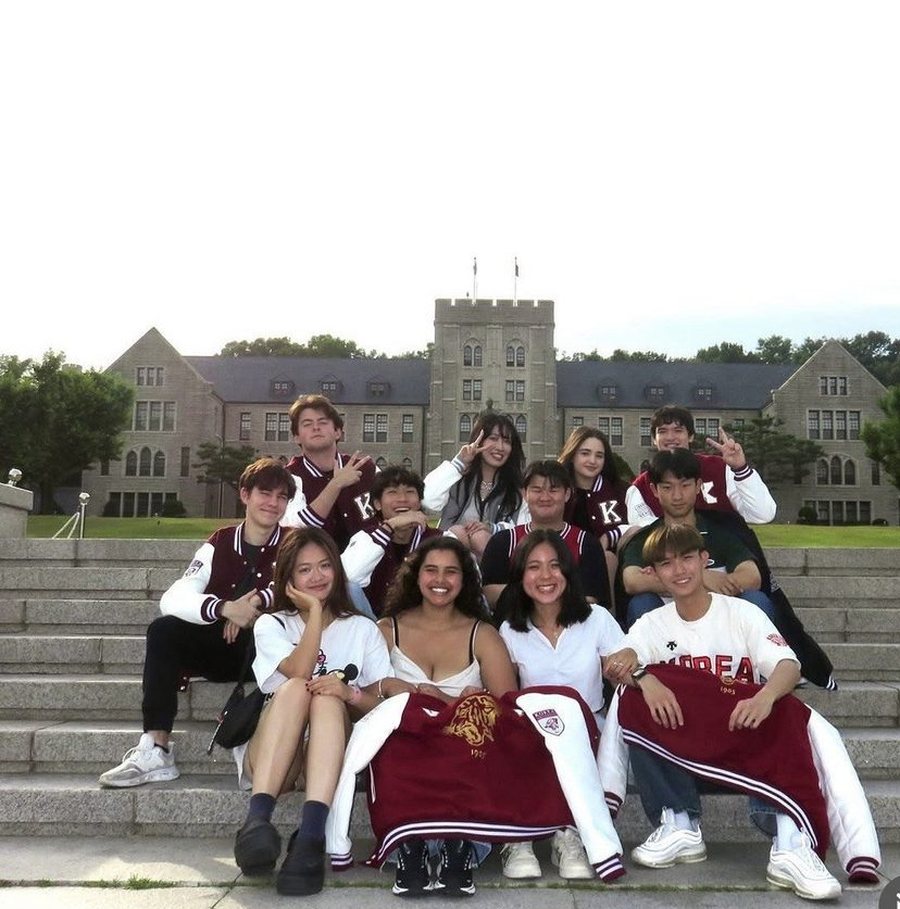
Seoul moves fast. My semester at Korea University taught me a lot about energy, friendship and keeping up with a very different rhythm of life.
I had to make friends from scratch, change how I communicated, and get comfortable not knowing exactly what was going on.

Bangkok was my first internship abroad, at a social impact startup. Some of the most human lessons I've learned came from my time in Thailand.
Seeing how far good intentions are from real impact made me think harder about what it means to create value.

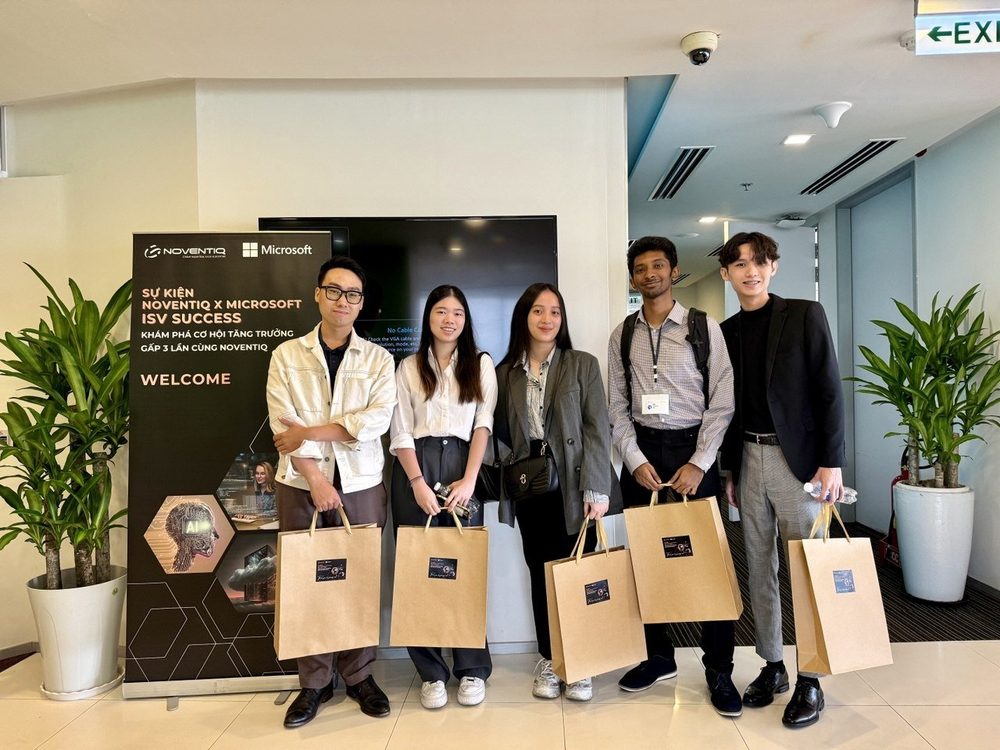
Six weeks at a tech company in Ho Chi Minh City threw me into the deep end, in a good way.
Everything worked a little differently from what I knew, so I learned to watch first and act second.
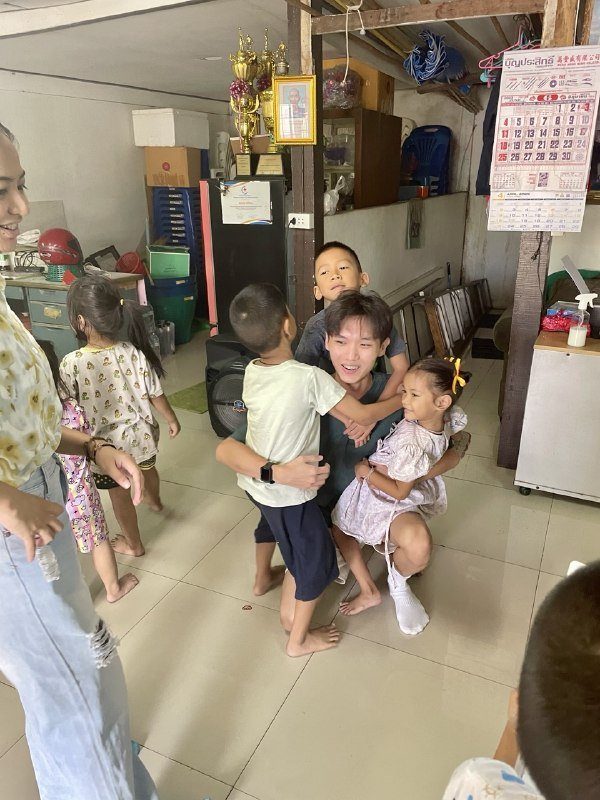
Volunteering in Thailand shaped me more than almost anything else I've done.
It's one thing to talk about inequality from a distance and another to see it up close. It made me rethink privilege, opportunity and what real help looks like.
I helped prepare and hand out food, tutored, and spent time with families in the community.
What stayed with me was what I saw. Good intentions aren't enough on their own. Lasting help needs structure, consistency and a real understanding of what people need.
I still think about it when I make decisions in business today.
Prepared and handed out food, tutored, and spent time with local families.
How far good intentions can be from real impact, and how resilient people are with very little.
Real impact takes more than wanting to help. You have to listen first, then show up consistently.
Looking back, I grew the most whenever I left what was familiar. Every new place showed me there's more than one right way to do things. The more places I see, the more comfortable I get with not having all the answers.
See the GalleryPlaces, people, and perspectives that shaped me.
Some of my favourite places, people and moments. A lot of these remind me of a time I was way out of my comfort zone, usually with good friends nearby.
Whether it's a business idea, a partnership or just a good conversation, feel free to say hi.
If you're building something, thinking about Asia, or just want to swap ideas, I'd love to hear from you.
I read everything that comes in and try to reply to as many as I can.